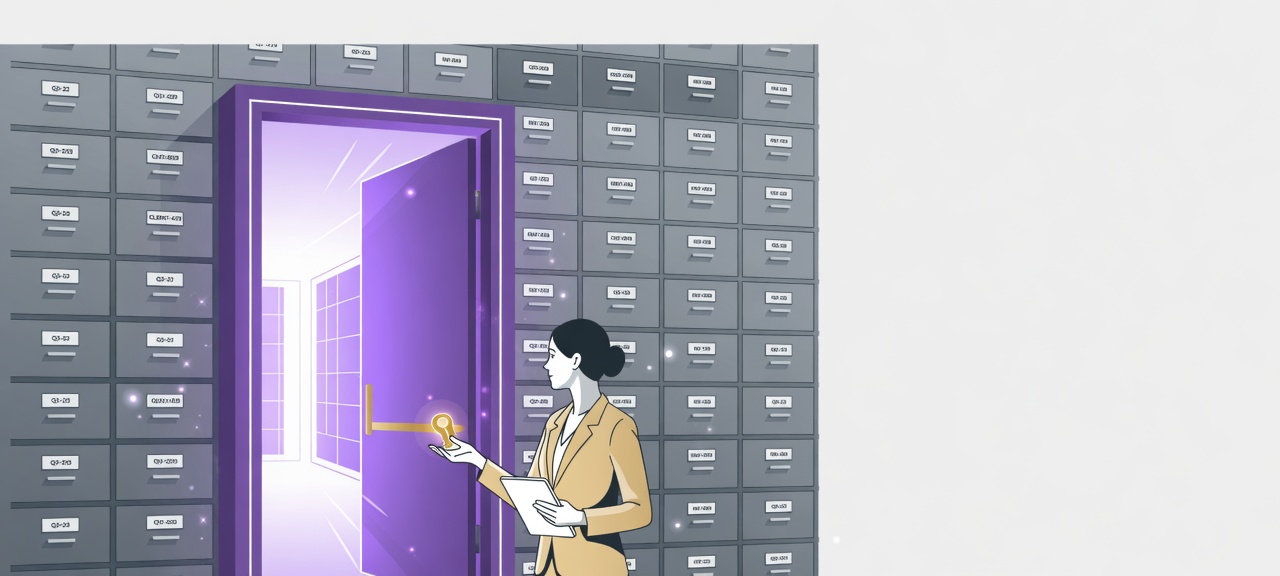
A client portal is a private, branded section of your website where each customer logs in to see their own orders, files, invoices, and project status. Instead of asking you for updates by email, the client self-serves the answer at any hour. That's the entire concept, and it's worth more than it sounds.
What a good client portal includes
- Status: where things stand right now, without asking
- Files: deliverables presented well and downloadable, not attachment archaeology
- Money: invoices, receipts, and payment in the same place
- History: every past order, so repeat business starts from memory, not from scratch
- Action: the next booking or request, startable right there
Why businesses add one
Two reasons, and they compound. First, inbox relief: every question the portal answers is an email nobody writes. Second, retention: a client whose history and files live in your portal has a real reason to stay. On the platform we operate, the portal is where clients spend most of their logged-in life, and it's a large part of why 95% of them come back.
Email is where client questions go to be asked twice. A portal is where they go to be already answered.
When you actually need one
The signal is repetition: the same status questions weekly, deliverables lost in threads, clients asking for an invoice you already sent. If your team is the search engine for information the customer owns, a portal pays for itself in saved hours before counting the retention effect.